
Is Nanoplastia Safe? What You Should Actually Know
Short answer: formaldehyde-free nanoplastia is one of the safer smoothing treatments available, considerably gentler than rebonding and free of the fumes associated with many keratin formulas. But "safer" is not "risk-free", and two things really do cause problems — counterfeit product, and applying it to fragile hair without bond protection. Here is the honest version.
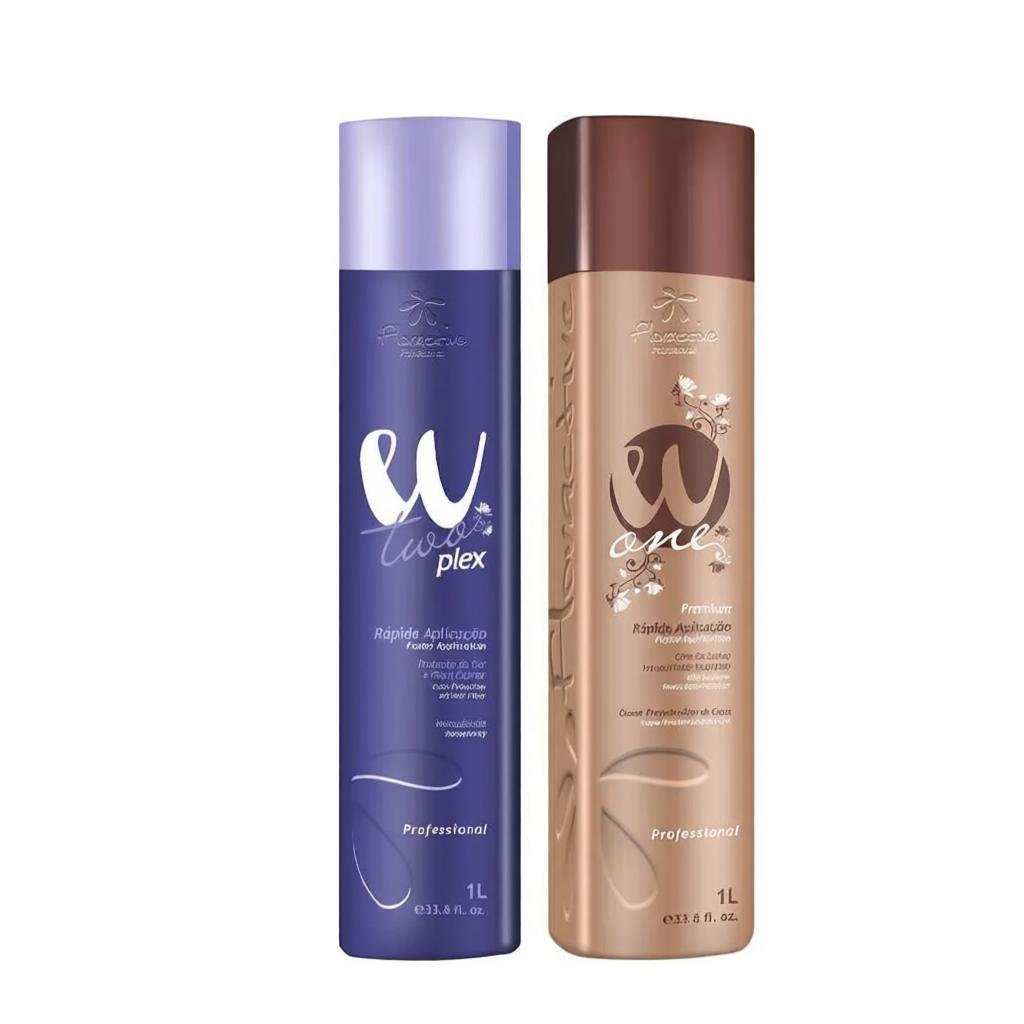
Floractive W One Nanoplastia + W Two Plex Combo 1000ml
Get salon-perfect, damage-free straight hair with the Floractive W One Nanoplastia + W Two Plex Combo in Pakistan. This professional Brazilian hair st...
Order Now →The formaldehyde question
This is the main safety concern people have, and it is a fair one — but it applies to formaldehyde-based treatments, not to formaldehyde-free nanoplastia.
Formaldehyde-based smoothing products release fumes when heated with a flat iron, which can cause eye and throat irritation and, with repeated occupational exposure, more serious concerns. Formaldehyde-free nanoplastia uses amino acids instead and does not produce these fumes.
The Floractive W One we import is formaldehyde-free. Because formaldehyde is cheap and works fast, it does still turn up in some smoothing products sold cheaply — so if a bottle smells harshly chemical, that is worth taking seriously before you apply heat to it. Our buying guide covers the checks worth doing.
Does nanoplastia cause hair fall?
Properly applied to healthy hair, it should not. When people do experience shedding or breakage after a treatment, it is almost always one of three causes:
- Already-fragile hair treated without bond protection. Bleached or heavily coloured hair has weakened internal bonds. Applying heat without W Two Plex is where breakage happens. This is the most common cause by far.
- Excessive heat or too many flat-iron passes. Technique matters — more passes is not better.
- Counterfeit product. See above.
Note also that some shedding after any treatment is normal hair that was already loose being released during washing and brushing — not new damage.
Who should not do it
- Pregnant or breastfeeding. Not because of specific evidence of harm from formaldehyde-free formulas, but because chemical treatments are generally avoided during pregnancy as a precaution. Ask your doctor.
- Broken, irritated or inflamed scalp. Wait until it has healed.
- Hair that is severely damaged already. Repair first with Bluetox, then consider smoothing later — see our damaged hair guide.
- Freshly bleached hair. Wait at least two weeks, and use bond protection when you do.
How to reduce the risk
- Buy from a seller who accepts returns. The most important step, and the one people skip.
- Patch test on a small hidden section 24–48 hours beforehand if you have sensitive skin.
- Use bond protection on coloured or bleached hair — the Combo exists for exactly this.
- Ventilate the room during application regardless of formula.
- Do not over-iron. Follow the recommended passes rather than adding more.
- Do not repeat too often. Leave at least 3 months between treatments.
Imported product
Live prices, updated 22 October 2026. Cash on Delivery nationwide; free shipping over PKR 15,000.
Frequently asked questions
Is nanoplastia safe for hair?
Formaldehyde-free nanoplastia is among the safer smoothing treatments — gentler than rebonding and free of the fumes many keratin formulas produce. The main real risks are counterfeit product and treating bleached hair without bond protection.
Does nanoplastia cause hair fall?
Not when properly applied to healthy hair. Breakage after treatment is usually caused by treating already-fragile bleached hair without a bond protector, excessive flat-iron heat, or counterfeit product.
Is nanoplastia safe during pregnancy?
Chemical hair treatments are generally avoided during pregnancy and breastfeeding as a precaution, even formaldehyde-free ones. Consult your doctor before proceeding.
What are the side effects of nanoplastia?
With imported formaldehyde-free product, side effects are uncommon. Possible issues include temporary scalp sensitivity, and breakage if applied to very damaged or bleached hair without bond protection.
How often can I safely do nanoplastia?
Leave at least 3 months between treatments. Since results last 3 to 6 months, that aligns naturally with when the effect fades.
Is nanoplastia safe for bleached hair?
Only with a bond protector such as W Two Plex used alongside it. Bleached hair has weakened bonds and can break under heat without that protection.
Buy imported Floractive in Pakistan
Cash on Delivery nationwide · Free shipping over PKR 15,000 · Delivery in 3–7 days
Browse all products