
Nanoplastia vs Rebonding
Rebonding has been the go-to straightening treatment in Pakistani salons for years, so it’s natural to compare the two. Rebonding changes your hair permanently. Nanoplastia smooths and fades over months. That one difference affects almost everything else, from how your hair looks as it grows to how much damage risk you’re taking on.
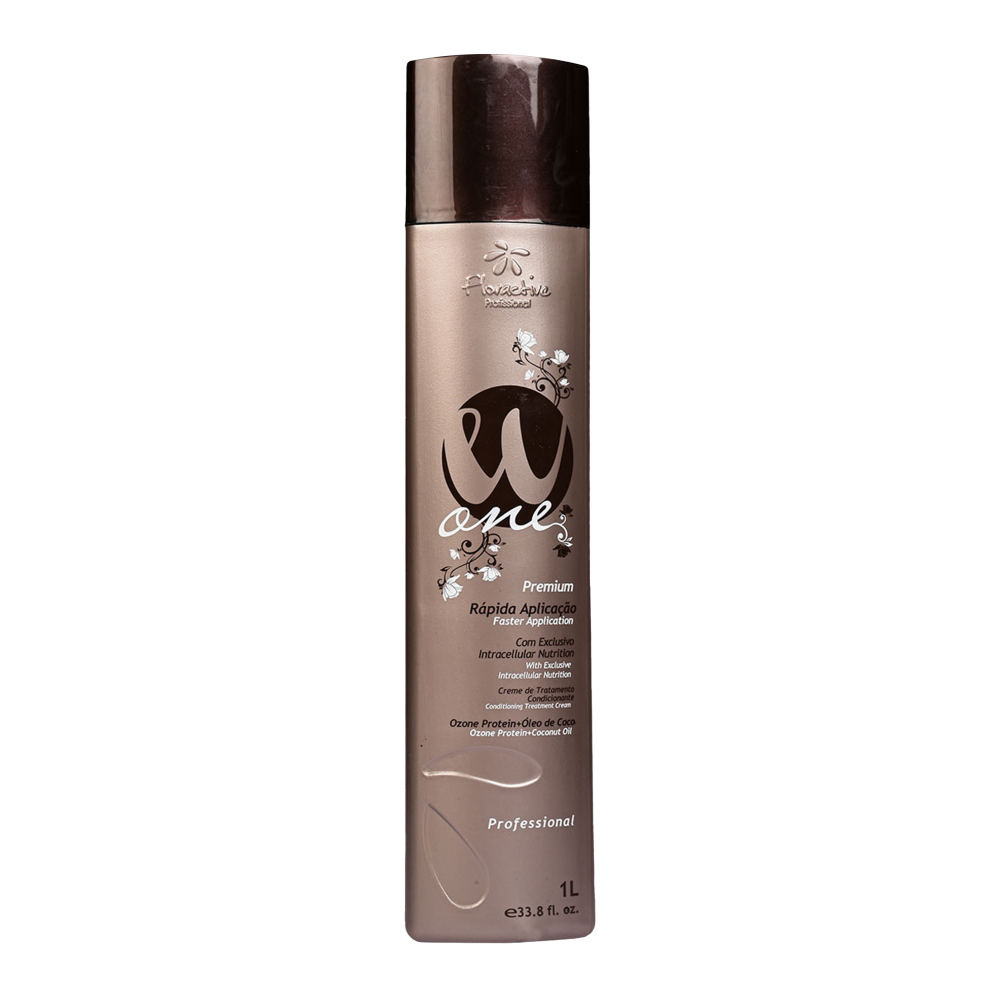
W One Nanoplastia Treatment - 1000 ml
Powered by Cysteine, Coconut, Olive, and Flaxseed oils, Floractive W One Premium Nanoplastia Treatment delivers deep nourishment and silky-smooth resu...
Order Now →| Nanoplastia | Rebonding | |
|---|---|---|
| Result | Smooth and straight with natural movement | Very straight, often flat |
| Permanent? | No, fades over 3 to 6 months | Yes, on treated hair |
| Regrowth line | No | Yes, visible as hair grows |
| Repairing effect | Improves softness and shine | No |
| Damage risk | Lower | Higher |
| Going back to natural | Happens gradually | Grow out or cut off |
How each one works
Rebonding uses strong chemicals to break the internal bonds that give hair its natural shape, then resets them straight. The treated hair stays straight until it grows out.
Nanoplastia works on the outside of the hair instead. It smooths and seals the cuticle, which straightens and softens hair without permanently changing its structure. As it washes out over months, your natural texture slowly returns.
The regrowth problem with rebonding
This is the complaint we hear most. A few months after rebonding, new hair grows in with its natural wave or curl. You end up with straight lengths and frizzy roots, and a visible line between them. Fixing that means touch-ups, which means more chemicals on hair that has already been through a lot.
Nanoplastia fades evenly, so there’s no line. When frizz starts returning, you simply redo the treatment.
When rebonding still makes sense
To be fair, rebonding gives a straighter, more permanent result on very resistant, tightly curly hair. Some people want exactly that and are happy to maintain it.
For most others, especially anyone with coloured, dry or damaged hair, or anyone who wants a softer, more natural finish, nanoplastia is the gentler and more flexible choice.
Switching from rebonding to nanoplastia
Lots of people move from rebonding to nanoplastia. Wait at least 3 months after your last rebond, trim any brittle ends, and use the W One + W Two Plex Combo so previously rebonded hair is protected during the heat stage.
If your hair has never been rebonded, W One Nanoplastia on its own is fine. Our chemically treated hair guide has more detail.
Try nanoplastia
Live prices, updated 22 October 2026. Cash on Delivery nationwide; free shipping over PKR 15,000.
Frequently asked questions
Which is better, nanoplastia or rebonding?
For most people nanoplastia, because it is gentler, improves softness and shine, and fades without a regrowth line. Rebonding gives a more permanent, flatter result on very resistant hair.
Is nanoplastia permanent like rebonding?
No. Nanoplastia lasts 3 to 6 months and fades gradually. Rebonding is permanent on the hair it treats.
Can I get nanoplastia after rebonding?
Yes. Wait at least 3 months, trim brittle ends and use W Two Plex alongside the treatment for protection.
Does nanoplastia leave a line like rebonding?
No. Nanoplastia fades evenly, so there is no visible line between treated hair and new growth.
Which is less damaging?
Nanoplastia carries lower damage risk because it smooths the outside of the hair rather than permanently breaking and resetting its internal structure.
Buy imported Floractive in Pakistan
Cash on Delivery nationwide · Free shipping over PKR 15,000 · Delivery in 3–7 days
Browse all products